



The Roads vs. Shenandoah vs. Bay Heights: Which One Fits You Best?

Amit Bhuta
I use non-traditional marketing to inspire the most motivated buyers to pay the max for Miami luxury homes...
I use non-traditional marketing to inspire the most motivated buyers to pay the max for Miami luxury homes...
Nobody hands you an instruction manual when you buy a house in Bay Heights — a few notes on mid-century architecture, neighborhood patrols, and the nearest grocery store would help, though.
For one thing, its residential streets were designed long before today's Miami had so many cars, condos, and people squeezing through traffic.
And while the neighborhood has changed over the years, its older homes and winding roads still reflect a very different chapter of the city's development.
A few miles away, The Roads tells its own story through diagonal streets and houses near Brickell, and Shenandoah has continuously grown around parks, schools, and local businesses.
But here's the thing about these older neighborhoods — their original designs affect everything within their perimeter, from your daily commute to how much renovation your dream house needs.
So before you get wrapped up in those original windows and start planning where the furniture will go, find out how these three addresses could affect your everyday life.
Here's how The Roads and Shenandoah compare to Bay Heights.
THE ROADS
 (51).png?w=1140)
Lifestyle & Atmosphere
There's a reason driving through The Roads can make you question whether your GPS has taken a creative detour.
Unlike Miami's familiar grid, its streets run diagonally, with landscaped medians, traffic circles, and older homes, giving the neighborhood a layout you can't mistake for anywhere else.
Many of its houses feature Mediterranean-inspired architecture, while newer construction and renovated properties show how homeowners have adapted the area over the years.
Then there's its location west of Brickell, where offices, restaurants, and high-rise buildings make for a very different scene.
That proximity gives residents access to a busy part of Miami without them living in the middle of its towering skyline.
For a change of scenery, nearby Simpson Park offers walking paths through a tropical hardwood hammock, with native plants that have survived the city's urban growth.
Of course, living close to Brickell also means sharing the surrounding roads with people heading to work, dinner reservations, and just about everything else.
It's an interesting contrast for a neighborhood whose residential streets still carry so much of Miami's early architectural history.
 (52).png?w=1140)
Housing & Prices
If you've ever wondered what it costs to own a traditional house near Brickell instead of a condo overlooking it, The Roads can give you a fairly expensive answer.
According to an MLS-based market report, 13 homes sold during the third quarter of 2026, with a median closing price of approximately $2.19 million.
That figure reflects a small number of transactions, however, and buyers will find considerable differences between older properties, extensively renovated houses, and newly constructed residences.
Some homes retain their original architectural details, while others have undergone major improvements or been replaced with contemporary designs.
And although a beautifully restored older house can be hard to resist, its appearance won't tell you whether the plumbing, electrical systems, roof, and other major components have been updated.
Buyers should also review lot sizes, renovation permits, and insurance expenses, especially when comparing properties built decades apart.
The neighborhood also has some condo buildings, but detached houses are central to the residential market we're comparing in this article.
For buyers with a substantial budget, The Roads lets them explore traditional homeownership near Miami's business district, with the property's age and condition influencing what that investment will require.
 (53).png?w=1140)
Walkability & Convenience
The Roads' diagonal streets and landscaped medians make an ordinary neighborhood walk more interesting than following an endless series of identical intersections.
But when your errands involve groceries, shopping, or meeting friends for dinner, your convenience depends on where you live in the neighborhood.
Properties closer to Brickell have easier access to its concentration of restaurants, offices, and commercial destinations, while other addresses may require a longer walk or a short drive.
Nearby transit connections offer alternatives for certain trips, although residents should check the distance from their house to the station or stop they'd use most often.
Simpson Park also gives the neighborhood a nearby outdoor destination that doesn't involve shopping or sitting in traffic.
The challenge comes when the same roads connecting residents to central Miami become crowded with commuters.
And while living near Brickell may shorten some journeys, it won't automatically turn every trip into a pleasant five-minute excursion.
SHENANDOAH
 (54).png?w=1140)
Lifestyle & Atmosphere
Shenandoah has been around long enough to watch Miami reinvent itself several times, and much of that history is still visible from the sidewalk.
Walk through its residential blocks, and you'll see traditional Florida bungalows, Mediterranean Revival homes, and properties renovated without completely losing their original character.
The neighborhood developed during Miami's earlier decades, and its regular street grid gives it a more familiar layout than The Roads.
Shenandoah Park is an important part of local life, offering swimming facilities, tennis courts, sports areas, and recreation programs for residents who want more to do than circle the block.
The park also serves as a meeting place for the Miami Shenandoah Neighborhood Association, which organizes community activities and works with local officials on neighborhood concerns.
Meanwhile, the surrounding streets connect residents to the businesses along Calle Ocho and Coral Way, including restaurants, shops, and services that have become part of Miami's everyday commercial landscape.
This isn't a neighborhood where every old house has been polished into a showpiece, and you'll notice it as you explore its streets.
Between established homes, public recreation facilities, and commercial activity around its borders, Shenandoah has the everyday infrastructure of a community that's been growing for generations.
 (55).png?w=1140)
Housing & Prices
One of Shenandoah's biggest differences from Bay Heights becomes clear when you start comparing home prices.
During the third quarter of 2026, 21 single-family homes sold in Shenandoah, with a median closing price of approximately $930,000, according to an MLS-based report.
That's considerably below the reported medians for The Roads and Bay Heights, although the homes sold in each area aren't necessarily comparable in size, age, or condition.
Shenandoah's inventory includes smaller traditional houses, renovated bungalows, and larger detached properties, so there's more to review than a single price figure.
A house with original flooring, vintage windows, and an inviting front porch might be exactly what you're looking for, if you're prepared for whatever its inspection report reveals.
Older electrical systems, plumbing, roofing, and unpermitted additions can turn a promising purchase into a renovation project that demands more money than expected.
On the other hand, buying a house that has already undergone major improvements may reduce some of those immediate concerns, depending on the quality and documentation of the work.
Shenandoah gives buyers a chance to explore established homes at a different budget level, but deciding what represents good value requires looking beyond the charming exterior.
 (56).png?w=1140)
Walkability & Convenience
In Shenandoah, your grocery trip, afternoon swim, and dinner plans might take you in three different directions, but you don't necessarily have to travel far for any of them.
The neighborhood sits between SW 8th Street, better known as Calle Ocho, and Coral Way, with businesses and services concentrated along those corridors.
Residents near either road can find restaurants, shops, and other destinations within walking distance, while homes deeper inside the residential grid can be farther from commercial activity.
Shenandoah Park also provides space for exercise and recreation without another neighborhood.
Public transportation runs along surrounding major roads, giving residents additional ways to reach destinations beyond their immediate blocks.
Of course, a busy commercial corridor comes with its own inconveniences, including traffic, intersections, and the occasional struggle to find parking.
The advantage is having several everyday destinations relatively close to home, even if the neighborhood's residential streets themselves aren't lined with businesses.
BAY HEIGHTS
 (57).png?w=1140)
Lifestyle & Atmosphere
Before Bay Heights' mid-century houses, the land was part of James Deering's Vizcaya estate.
The residential development emerged in the 1950s, when ranch-style houses, low rooflines, and generous yards were popular suburban design features.
Today, those architectural influences remain visible along Shore Drive, Bay Heights Drive, Samana Drive, and Pinta Road, although many properties have been remodeled or replaced over the decades.
Mature trees and established landscaping give the residential streets their recognizable look, with houses occupying a relatively small area near Coconut Grove.
Bay Heights also has a neighborhood security arrangement supported by roving police patrols, security cameras, and its resident-run improvement association.
That doesn't mean it's a fully gated community with guards checking every visitor, despite what some real estate descriptions might suggest.
And unlike The Roads or Shenandoah, Bay Heights doesn't have a neighborhood commercial center or a large public recreation complex woven into its interior streets.
Its history, house designs, and residential layout explain much more about the neighborhood than any list of nearby restaurants could.
 (58).png?w=1140)
Housing & Prices
Bay Heights may be relatively small, but its home prices aren't — not by a mile.
MLS-based research covering October 2025 through September 2026 recorded 12 single-family sales, with a median closing price of approximately $2.995 million.
That's a substantially different market from Shenandoah, although the limited number of transactions means a handful of expensive properties can strongly influence the median.
The neighborhood's housing inventory is also highly concentrated in detached residences, with property records identifying 178 single-family houses across 187 parcels in its two principal subdivision plats.
Some houses preserve recognizable elements of their original 1950s designs, while others have contemporary interiors, enlarged floor plans, or entirely new construction.
That variety makes it important to examine what has changed since a property was first built, particularly when additions or extensive renovations affect its layout and condition.
Buyers should also ask about applicable security-related special assessments, neighborhood association contributions, insurance, and the expenses in maintaining older homes and mature landscaping.
With relatively few properties changing hands, finding the right house may depend as much on available inventory as it does on how much someone is prepared to spend.
 (59).png?w=1140)
Walkability & Convenience
If your morning routine involves walking to a café, picking up groceries, and stopping at a few shops on the way home, Bay Heights probably won't make that itinerary possible without leaving the neighborhood.
Its internal streets are solely residential, with houses and landscaped yards in place of storefronts and commercial buildings.
That creates a different walking experience from Shenandoah's surrounding business corridors or the sections of The Roads closer to Brickell.
That said, the neighborhood can access South Miami Avenue and other routes toward Coconut Grove, Brickell, and central Miami, making nearby destinations reachable without traveling across the entire city.
Vizcaya Museum & Gardens is among the area's recognizable landmarks, and Vizcaya Metrorail station provides public transportation outside the neighborhood.
However, proximity on a map isn't the same as having those places outside your front door, so walking routes and travel times are worth checking for individual homes.
The absence of internal businesses also means that most shopping trips, restaurant visits, and routine appointments will take residents beyond Bay Heights' residential streets.
For anyone considering a property in this community, it's worth testing those trips during the hours they'd normally make them, especially when nearby roads are busy.
THREE NEIGHBORHOODS, THREE WAYS TO LIVE
After comparing lifestyles, prices, and conveniences, is Bay Heights the right choice?
An old Miami house can come with a fascinating history, but history won't fix a leaking roof or shorten your commute.
Don't forget this when comparing Bay Heights with The Roads and Shenandoah, since all three offer established residential surroundings at very different prices.
The Roads puts buyers close to Brickell's employment and entertainment district, but that proximity also means dealing with the traffic surrounding one of Miami's busiest urban areas.
Shenandoah has older houses, recreation facilities, and nearby commercial streets, making it worth exploring for those who want a wider selection of everyday destinations close to home.
Its comparatively lower reported median home price may also create room in a buyer's budget, provided the property doesn't require expensive repairs.
Bay Heights requires a different financial commitment, with its small inventory and predominantly detached-home market producing substantially higher recent sale prices.
In exchange, buyers can explore a neighborhood whose mid-century history, residential layout, and organized security program distinguish it from the surrounding city.
However, living there also means heading outside the neighborhood for most shopping, dining, and public recreation.
A household that frequently visits Brickell might find The Roads more convenient, while someone who uses local parks and nearby businesses throughout the week may appreciate Shenandoah's established facilities.
Buyers considering Bay Heights should focus on the individual house, since a renovated mid-century property and a newly constructed residence can bring very different ownership expenses.
And since all three neighborhoods contain older homes, renovation history and building inspections are your best friends.
The choice also becomes clearer when you consider which daily trips you're prepared to make by car and which destinations you'd prefer to reach on foot.
Bay Heights is worth considering if its residential setting, house styles, and neighborhood security arrangements matter enough to justify the purchase price and travel required for everyday errands.
After all, you're not buying a house solely for the story behind its walls; you're buying the place where tomorrow's ordinary routines will happen.
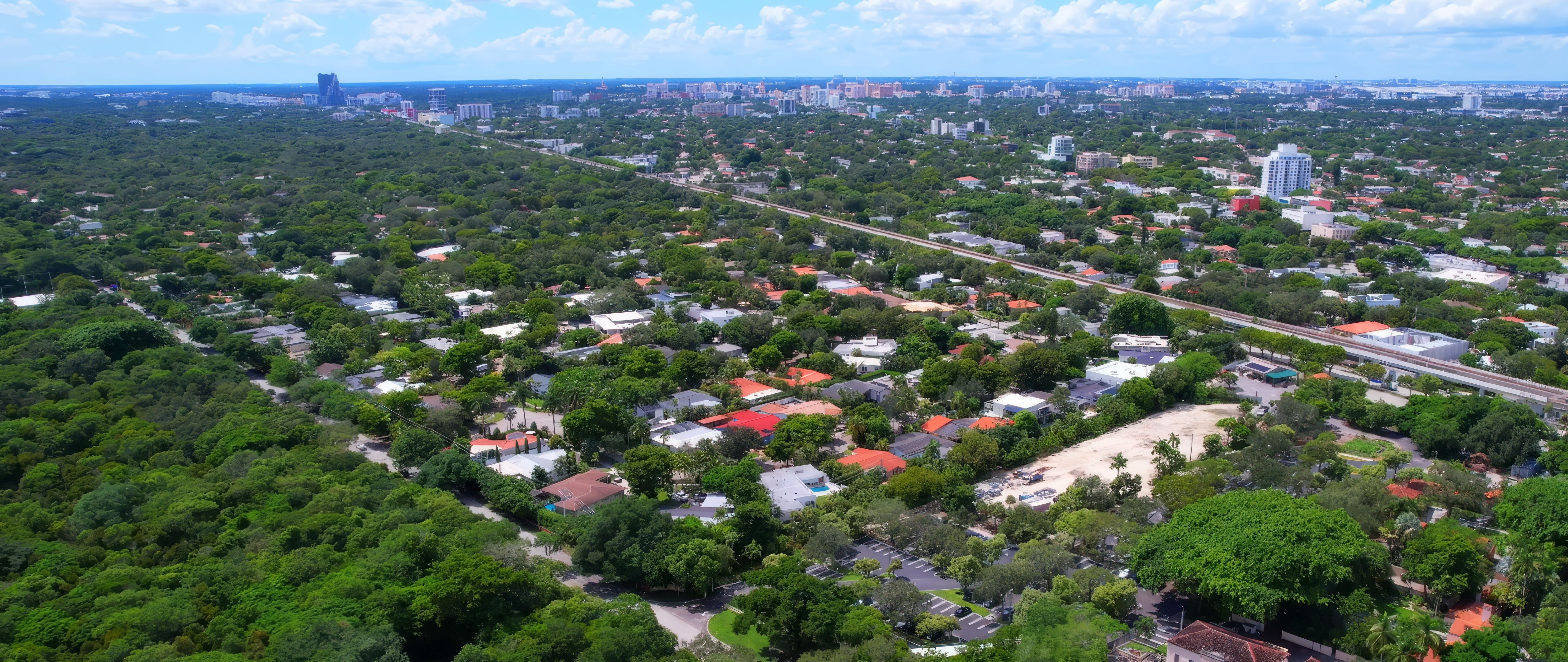
Bay Heights, Miami, Florida - EVERYTHING You Want to Know
Get comfortable and take a quick break as you ease your way into the unparalleled perks of...
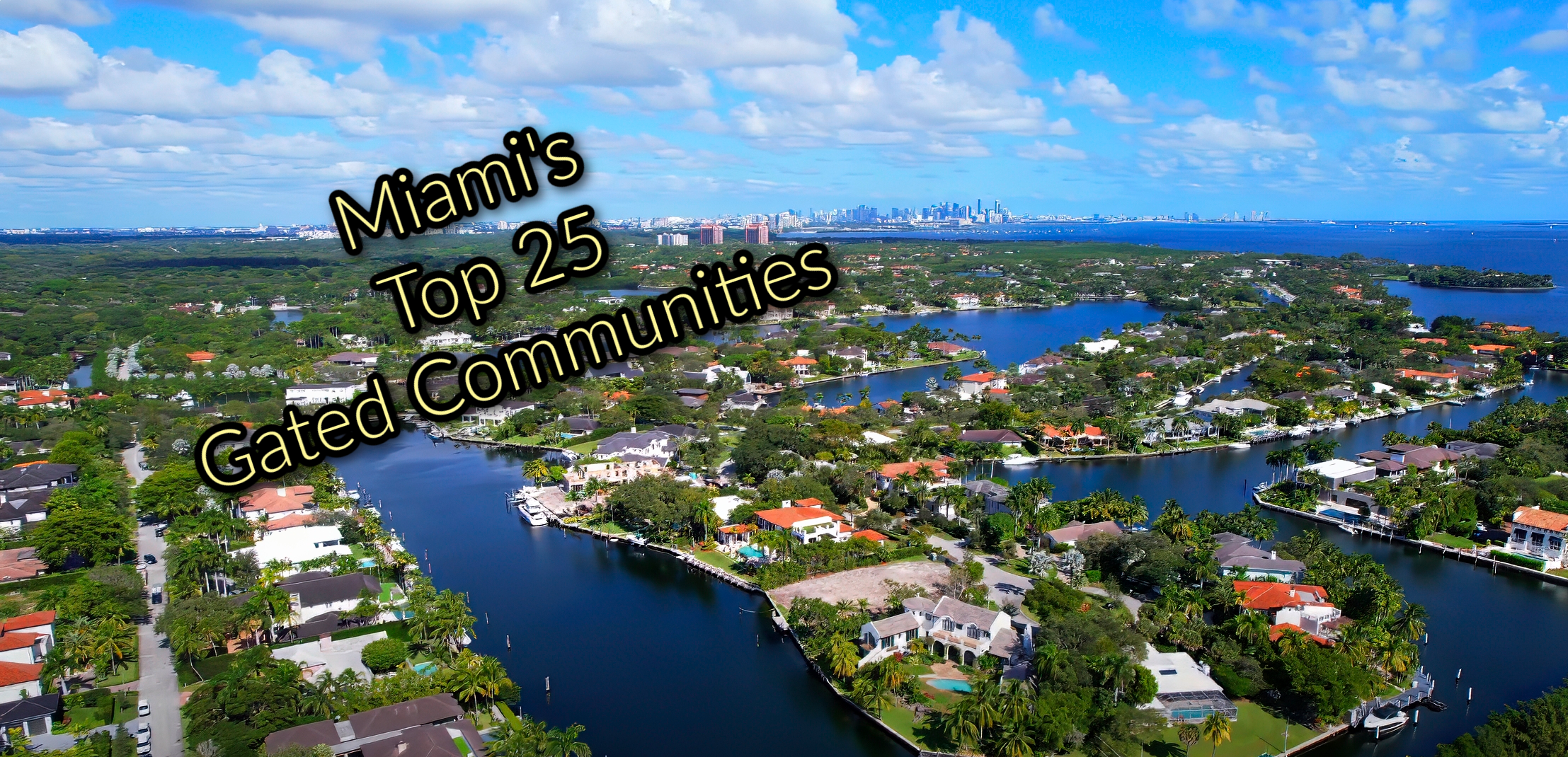
The Ultimate Guide to Miami-Dade's Top 25 Gated Communities for Single-Family Homes
Discover Miami's top gated communities in this essential guide for luxury home buyers...

Miami's BEST Restaurants in EVERY Neighborhood
Check out the absolute BEST restaurants in every neighborhood of Miami, including the best...
Who are we?
We are the ALL IN Miami Group out of Miami.
We are Colombian, Filipino, Cuban, German, Japanese, French, Indian, Syrian, and American.
We are Christian, Hindu, and Jewish.
We are many, but we are one.
We sell luxury homes in Miami, Florida.
Although some of our clients are celebrities, athletes, and people you read about online, we also help young adults find their first place to rent when they are ready to live on their own.
First-time buyers?
All the time!
No matter what your situation or price range is, we feel truly blessed and honored to play such a big part in your life.