



What Daily Life Looks Like in Little River

Amit Bhuta
I use non-traditional marketing to inspire the most motivated buyers to pay the max for Miami luxury homes...
I use non-traditional marketing to inspire the most motivated buyers to pay the max for Miami luxury homes...
Who knew an old warehouse and a 90s jacket could both become fashionable again? Well, at least in Little River.
This neighborhood seems to have figured it out: former industrial spaces welcome new businesses, and vintage shops give forgotten fashion a second chance.
Along its commercial blocks, printing presses handle rush orders, vintage retailers hunt for their next great find, and neighborhood lunch spots keep hungry workers fed.
Of course, beyond the newer storefronts is a well-established residential community where people have jobs to get to, errands to finish, and weekends that rarely go exactly as planned.
Some residents even spend their free time tending gardens or helping clean up the Little River, proving that neighborhood pride occasionally comes with muddy shoes and a few full trash bags.
Meanwhile, new investment is bringing more clout to the area, although rising costs and changing commercial spaces have also given longtime locals plenty to think about.
With its working-class roots, growing creative scene, and residents finding new ways to care for their community, Little River has plenty happening aside from the businesses making headlines.
Here’s what a typical day is like in Little River.
The Pressroom Deadline Keeper
 (29).png?w=1140)
Early Morning – The Press Doesn't Wait for Anyone
By 7:30 a.m., this longtime Miami resident is already sorting through a stack of printing orders, and unfortunately, the machines won't accept "five more minutes" as an excuse.
She works as a production coordinator at Little River Press, a third-generation family printing business on NE 73rd Street that has been serving Miami customers for nearly 60 years.
Her morning begins with reviewing customer requests, checking digital proofs, and figuring out which projects need to move through production first.
Some orders are straightforward, while others involve specific paper sizes, colors, binding requirements, and deadlines that leave little room for mistakes.
She works closely with the printing team to make sure the right materials are available before each job begins, whether they're producing brochures, books, flyers, or other printed materials.
It requires organization and quick decisions, especially when a customer requests a last-minute change after everything has been scheduled.
Between checking proofs and answering her coworkers, she keeps an eye on how the day's production is progressing.
The surrounding Little River industrial district has changed considerably over the years, but businesses like this one continue doing the behind-the-scenes work that many Miami companies depend on.
And while nobody gives awards for keeping a printing schedule organized, she's perfectly happy when everything comes off the press exactly as planned.
 (30).png?w=1140)
Midday – A Roti Break on 79th Street
After a morning of managing printing deadlines, she's ready for a lunch break that doesn't involve answering another question about paper sizes.
She heads to B&M Market on NE 79th Street, a longtime West Indian neighborhood spot known for its Caribbean cooking and welcoming atmosphere.
The small market and restaurant serves dishes such as roti, curry chicken, and other Caribbean favorites, making it a convenient stop for workers looking for a filling lunch.
Today, she orders roti with curry chicken and settles in for a break before returning to the pressroom.
There's something comforting about a neighborhood restaurant where the food is familiar, the portions are satisfying, and nobody expects you to spend an hour deciding what to order.
Depending on who's around, she might exchange a few words with another regular or catch up with someone she recognizes from previous visits.
Little River's food scene has grown to include fashionable restaurants and newer dining concepts, but places like B&M Market continue serving the people who have been working and living around these streets for years.
For her, it's a practical lunch stop with good food, reasonable portions, and enough time left over to enjoy a few minutes away from work.
Once she's finished, it's back to NE 73rd Street, where the afternoon's printing jobs are waiting.
 (31).png?w=1140)
Afternoon – When a Thousand Copies Need to Be Perfect
Back at Little River Press, the morning's planning has turned into stacks of finished pages, printed materials, and orders for final inspections.
Now her attention shifts from organizing production to ensuring everything meets the customer's requirements before leaving the building.
She checks printed samples for color consistency, page alignment, and any mistakes that might have slipped through during production.
Some jobs also need trimming, folding, or binding, so she coordinates with the finishing team to ensure each order gets the proper treatment.
A small printing error might not seem like a major problem until it appears on hundreds of copies, which is why catching mistakes early is such an important part of her job.
She also checks delivery instructions and makes sure completed orders are properly packaged for pickup or shipment.
The afternoon can get particularly busy when several projects are scheduled to finish around the same time.
While digital technology has changed the printing industry, the work still depends on experienced people who understand how to turn customer files into professional finished products.
By late afternoon, she reviews the final orders and prepares notes for anything that needs attention the following morning.
Once her shift ends, she leaves the sound of the printing equipment behind and heads toward a very different part of Little River.
 (32).png?w=1140)
Evening – Pizza, Progress, and a Changing Neighborhood
After a full day at the pressroom, she's meeting a longtime friend for dinner at La Natural on NW 2nd Avenue.
The neighborhood restaurant is known for its sourdough pizzas, which use a slow fermentation process to develop their distinctive crust.
It's a different dining experience from the quick Caribbean lunch she enjoyed earlier, with a cozy setting and a menu that gives them plenty to discuss before ordering.
They decide to share a pizza and catch up on everything that's happened since their last dinner together.
They've both known Little River for years, so their conversation eventually turns to the changes appearing around the neighborhood.
Former industrial spaces now house restaurants, creative businesses, and shops that attract visitors who might not have considered spending an evening here a decade ago.
She appreciates having more places to meet friends without traveling across Miami, but some newer businesses come with prices that make an ordinary Wednesday dinner a little more expensive.
They also talk about how development could affect longtime workers, independent businesses, and residents whose budgets haven't increased as quickly as the neighborhood's popularity.
Still, tonight is primarily about enjoying good food and catching up with someone who remembers Little River before its recent attention.
After finishing dinner, she heads home, leaving the restaurant crowds behind and looking forward to an evening without another deadline to manage.
The Riverbank Cleanup Regular
 (33).png?w=1140)
Early Morning – A Little Green Space Goes a Long Way
Saturday mornings typically find this Haitian-American resident checking his plants, but today, his garden has competition from a volunteer cleanup scheduled later in the morning.
He lives in a modest Little River apartment building with a shared outdoor space where he's helped establish a small collection of garden beds.
There's nothing particularly fancy about the setup, but he's proud of the herbs, peppers, and tropical plants growing in an area that might otherwise be nothing more than unused ground.
He starts by checking the soil, watering the plants that need it, and pulling a few weeds before the morning heat becomes uncomfortable.
Some weekends involve adding compost or preparing space for new seedlings, while others are about making sure everything is growing properly.
Gardening has become one of his favorite ways to spend time outside, especially after a workweek that doesn't always leave him much opportunity to enjoy the outdoors.
He occasionally shares extra herbs or gardening tips with neighbors, some of whom have contributed their own plants to the shared space.
Of course, not everything survives Miami's heat, heavy rain, and unpredictable weather, and he's learned to accept that gardening comes with occasional disappointments.
Once the plants are taken care of, he puts away his tools and gathers his gloves, reusable water bottle, and other supplies for the morning's volunteer activity.
Today's project involves something much larger than his small garden, and it's only a short trip north of Little River.
 (34).png?w=1140)
Late Morning – Picking Up What the River Didn't Ask For
With his gardening finished, he heads toward a scheduled volunteer cleanup near NE 82nd Street, just beyond Little River's northern neighborhood boundary.
Community cleanup events have been organized around the Little River waterway, including a September 2026 effort that brought together dozens of volunteers to collect hundreds of pounds of litter.
On this volunteer Saturday, he's joining a similar organized effort to keep trash from entering the river.
After checking in with the organizers, he collects gloves, trash bags, and instructions on which areas volunteers can safely cover.
He works alongside other participants, picking up plastic bottles, food wrappers, and assorted rubbish from designated public areas near the waterway.
Some sections are relatively clean, while others require more patience, especially when litter has collected around fences, vegetation, and drainage areas.
It's not the most glamorous way to spend a Saturday morning, and the Florida heat certainly doesn't make the job easier.
However, seeing bags gradually fill with trash gives volunteers a clear sense of what their work is accomplishing.
He also appreciates the chance to meet people who care about improving the neighborhood's environment, including residents who have been involved in similar projects for years.
By the time the cleanup wraps up, he's tired, thirsty, and ready to get out of the sun, with another task he wants to complete while the morning is fresh in his mind.
 (36).png?w=1140)
Early Afternoon – Turning Trash Bags Into Useful Information
After helping collect litter near the river, he heads to the Little River Branch Library on NE 79th Street.
The neighborhood library offers a convenient place to sit, use public resources, and concentrate without the distractions waiting at home.
Today, he reviews photographs and notes from the cleanup, looking at the locations where volunteers found the most discarded waste.
He organizes the information on his laptop, making a concise record of the problems he noticed and the areas that might deserve attention during future cleanup projects.
While picking up trash makes an immediate difference, understanding where it collects can also help volunteers identify recurring problems.
He notes a few places where litter appears to gather near drainage areas, along with suggestions he can share with the cleanup organizers.
His involvement isn't about turning a weekend hobby into another full-time job, but he enjoys finding practical ways to make his volunteer hours useful.
The Little River waterway faces environmental challenges involving runoff, waste, and water quality, which means community involvement can extend beyond occasional cleanup events.
After sending his observations to the organizers, he spends a few minutes looking through information about local environmental projects.
By then, the quiet library has served its purpose, and he's ready for an overdue meal.
 (35).png?w=1140)
Late Afternoon – A Different Conversation Over Lunch
After a morning spent gardening, collecting litter, and organizing cleanup notes, he's finally ready to sit somewhere without dirt, weeds, or trash bags.
He meets another volunteer at Imperial Moto on NW 2nd Avenue, a neighborhood café known for its motorcycle-inspired atmosphere and casual food and drinks.
They arrive during the café's afternoon service, giving themselves time for a late bite and a conversation about the morning's work.
The setting is a noticeable change from the riverbank, with coffee, comfortable seating, and the distinctive motorcycle theme providing a different backdrop.
Over food and drinks, they compare their experiences and discuss which areas seemed to need the most attention.
They also discuss the challenges of keeping public spaces clean when litter can return soon after volunteers have finished collecting it.
Neither expects one morning of cleanup work to solve the river's environmental problems, but both appreciate seeing residents make an effort.
For him, these volunteer events have also become a way to meet people outside his usual work and household routines.
Their conversation eventually turns to other neighborhood projects, including opportunities for residents to help care for shared spaces and encourage better waste habits.
After finishing his meal, he heads home to shower, rest, and enjoy what's left of Saturday, knowing his garden will probably have another list of tasks waiting next weekend.
The Vintage Rack Detective
 (38).png?w=1140)
Morning – Hunting Down Yesterday's Best Finds
A 1990s jacket lies on this young Dominican-American resident's table, and she's trying to decide whether it's a valuable vintage find or simply a very old jacket.
She works in vintage retail, where knowing the difference between an interesting piece and something that belongs in a donation pile is an important part of the job.
Her Saturday begins at her Little River apartment, sorting through a small batch of secondhand clothing she's asked to examine for the shop.
She checks labels, fabric quality, stitching, and signs of wear, focusing on details that can help identify when an item was made.
Some pieces have obvious appeal, such as vintage sports jerseys or graphic T-shirts, while others require a closer look before their potential becomes clear.
She also researches unfamiliar clothing labels and compares styles from various decades to determine whether an item is worth keeping for resale.
The process takes time, especially when a garment looks promising but needs cleaning, repairs, or additional research.
And while she loves discovering unusual pieces, she's learned that not everything becomes valuable simply because it has survived long enough to be called vintage.
Once she's finished reviewing the collection, she separates the strongest finds and prepares them for the trip to Reserved MIA on NW 2nd Avenue.
By the time she leaves home, she's already wondering which item will catch a customer's attention first.
 (37).png?w=1140)
Midday – The Difference Between Vintage and Just Plain Old
At Reserved MIA, her attention shifts from identifying promising clothes to preparing them for customers.
The Little River store specializes in curated vintage fashion, including sportswear, graphic T-shirts, denim, workwear, and other pieces from previous decades.
She begins by checking the clothing she brought in, making sure each item is clean, presentable, and ready for the sales floor.
Some garments need steaming, while others require measurements or clearer descriptions so shoppers know what they're buying.
Vintage sizing can be especially tricky, since a medium from several decades ago doesn't always match what customers expect from today's clothing.
She measures jackets, checks waist sizes, and organizes the pieces according to the store's display arrangements.
She also researches a few older labels, using details about manufacturing periods and clothing styles to help determine appropriate prices.
The work requires an eye for fashion, but it's also surprisingly practical, involving inventory management, product knowledge, and plenty of attention to detail.
Once the new pieces are ready, she arranges them among the existing racks and steps back to see how everything looks together.
For someone who enjoys clothing with a little history, turning an overlooked garment into something another person wants to wear is one of the most satisfying parts of the job.
 (39).png?w=1140)
Afternoon – Finding Inspiration Beyond the Clothing Racks
After spending much of the day organizing vintage clothing, she takes a planned break to visit Little Rivyè Cultural Garden, just a short distance away on NW 2nd Avenue.
The community-focused cultural space was created to encourage connections through art, music, education, and collaboration, and it includes a boutique that opens on selected days.
For someone working in fashion, it's an interesting place to explore ideas outside the usual vintage clothing racks.
She browses the boutique's offerings, especially the creative designs, cultural influences, and presentation.
She's gathering ideas for a small vintage-fashion photoshoot, so she's especially interested in how accessories and other visual details will work with older clothing styles.
The visit also gives her a chance to appreciate a different part of Little River's growing creative community.
While the neighborhood's newer shops get attention for their distinctive products, spaces like Little Rivyè also place importance on cultural connections and community representation.
That matters to her as someone with personal style influenced by both her Dominican background and the different fashion communities she's encountered around Miami.
She spends time exploring the boutique and considering how she'll bring a few new styling ideas into her work.
With the afternoon moving along, she heads back to Reserved MIA, where the Saturday shopping crowd gives her plenty of opportunities to put that fashion knowledge to use.
 (40).png?w=1140)
Early Evening – Old Clothes, Good Records, and New Owners
Back at Reserved MIA, Saturday's final shopping hours bring customers searching for everything from vintage sports jerseys to unusual jackets and graphic T-shirts.
The store's unique vintage fashion and hi-fi culture give the space a distinct personality, with music upgrading the experience of browsing through clothing from different decades.
She spends the early evening helping shoppers find pieces that match their interests, whether they're looking for something specific or simply curious about what's available.
One customer might be hunting for a vintage sports shirt, while another is trying to find a denim jacket with the right fit.
She explains the differences between older and newer sizing, points out unusual details, and encourages customers to try things on rather than relying entirely on the number printed on a tag.
Sometimes a piece that looks unremarkable on the hanger becomes someone's favorite item once they put it on.
Other times, a customer falls in love with a jacket until they discover it doesn't fit — an unfortunate reality when only one is available.
Between conversations, she straightens the displays, returns unwanted items to their racks, and checks that everything is organized for the following day.
As the evening progresses, she also notes which styles attract the most interest, helping her understand what customers might look for next.
By the time her shift wraps up, several pieces she handled earlier have found new owners, and she's already thinking about what other forgotten clothing treasures might turn up in the next collection.
THE BIGGER PICTURE OF LIFE IN LITTLE RIVER
What do these three different routines tell us about Little River?
Something's interesting about a neighborhood where an old warehouse can become a fashionable destination, yet the businesses that helped establish the area still work hard to make ends meet.
Little River has been attracting new restaurants, independent retailers, and creative businesses, giving people more reasons to explore streets they might have overlooked a few years ago.
That growing attention can mean additional jobs, improved commercial spaces, and new opportunities for business owners who see potential in the neighborhood's older buildings.
For residents, having more places to eat, shop, and meet friends nearby is certainly convenient, especially when getting around Miami can already take a good chunk of the day.
However, the same investment that brings new life to Little River also raises questions about who can afford to live and operate businesses in the future.
Renters may find themselves competing in a changing housing market, while longtime businesses must consider whether rising property costs will eventually affect their ability to remain in familiar locations.
And while renovated warehouses and stylish storefronts are easy to photograph, the neighborhood's older apartments, working businesses, and everyday services are just as important to the people who depend on them.
The Little River waterway itself gives the neighborhood its name but faces real challenges involving pollution, runoff, and environmental protection.
Addressing those problems will take continued attention, especially as more development brings additional activity and pressure to the surrounding area.
Fortunately, residents, local organizations, and community groups have shown that there's genuine interest in improving the neighborhood rather than simply watching it change.
Established businesses, newer creative spaces, and community involvement allow Little River to develop without abandoning everything that came before.
But making that possible will require more than restoring old buildings or attracting another popular restaurant, since affordable housing, practical infrastructure, and support for existing businesses matter just as much.
The real test will be whether the people who have spent years working, renting, and building relationships here can enjoy the improvements alongside those discovering Little River for the first time.
After all, giving an old jacket a second life is fairly simple compared with helping an entire neighborhood move forward without leaving its own people behind.
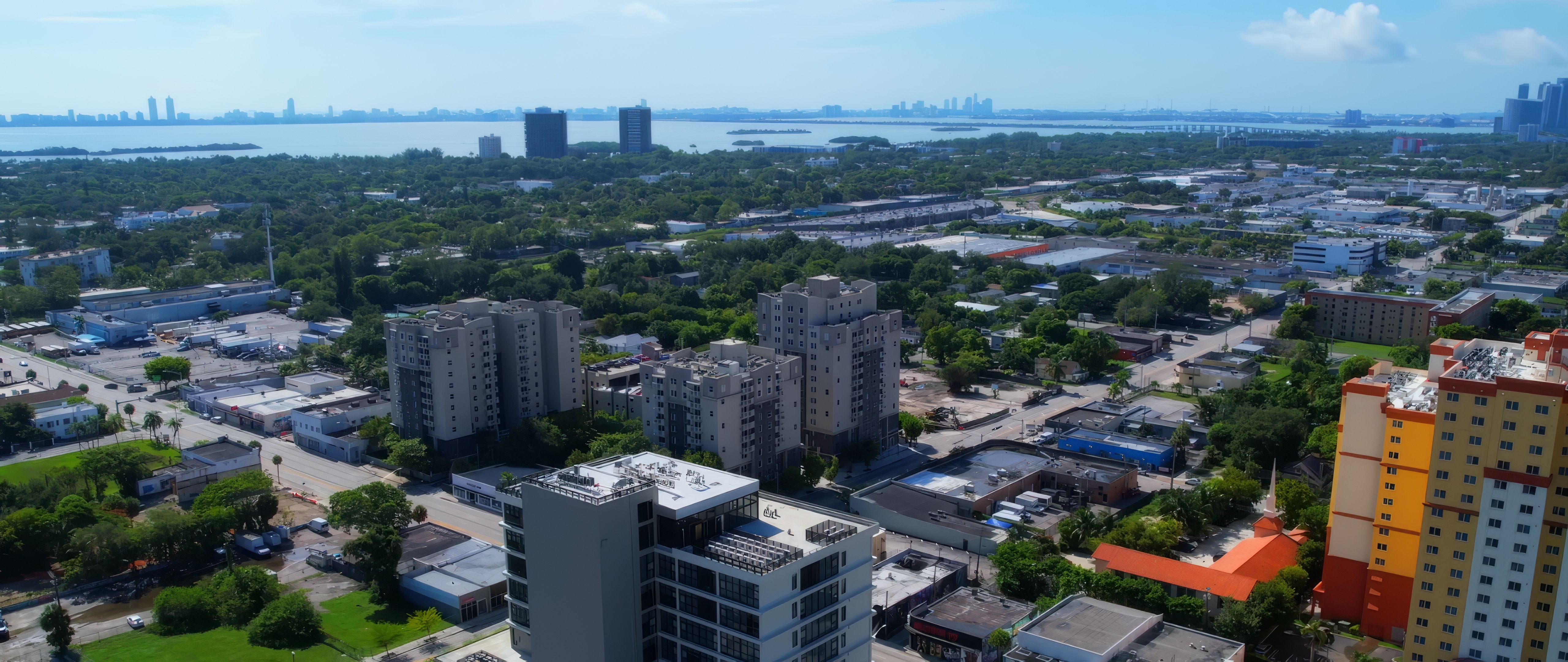
Little River, Miami, Florida - EVERYTHING You Want to Know
As Little River transforms before our eyes, we'll give you a grand tour of its nooks ...
The Ultimate Guide to Miami-Dade's Top 25 Gated Communities for Single-Family Homes
Discover Miami's top gated communities in this essential guide for luxury home buyers...


Miami's BEST Restaurants in EVERY Neighborhood
Check out the absolute BEST restaurants in every neighborhood of Miami, including the best...
Selling Your Home?
Who are we?
We are the ALL IN Miami Group out of Miami.
We are Colombian, Filipino, Cuban, German, Japanese, French, Indian, Syrian, and American.
We are Christian, Hindu, and Jewish.
We are many, but we are one.
We sell luxury homes in Miami, Florida.
Although some of our clients are celebrities, athletes, and people you read about online, we also help young adults find their first place to rent when they are ready to live on their own.
First-time buyers?
All the time!
No matter what your situation or price range is, we feel truly blessed and honored to play such a big part in your life.